Choosing the right “Compressor Boot” is crucial for efficient operations. Industry expert John Miller emphasizes, “The right boot can make or break your compressor's performance.” His insights guide many in the field.
The world of Compressor Boots can feel overwhelming. Different designs and materials suit varying needs. A well-chosen boot not only enhances efficiency but also extends the lifespan of your equipment. Yet, many users select based on price alone. This often leads to dissatisfaction and unexpected repairs.
Understanding your specific requirements is vital. Consider operating conditions, compressor type, and environmental factors. Not everyone fully grasps these aspects. Some may overlook crucial specifications. Reflecting on your choices can lead to better outcomes. The right Compressor Boot is more than a purchase; it’s an investment in performance and reliability.
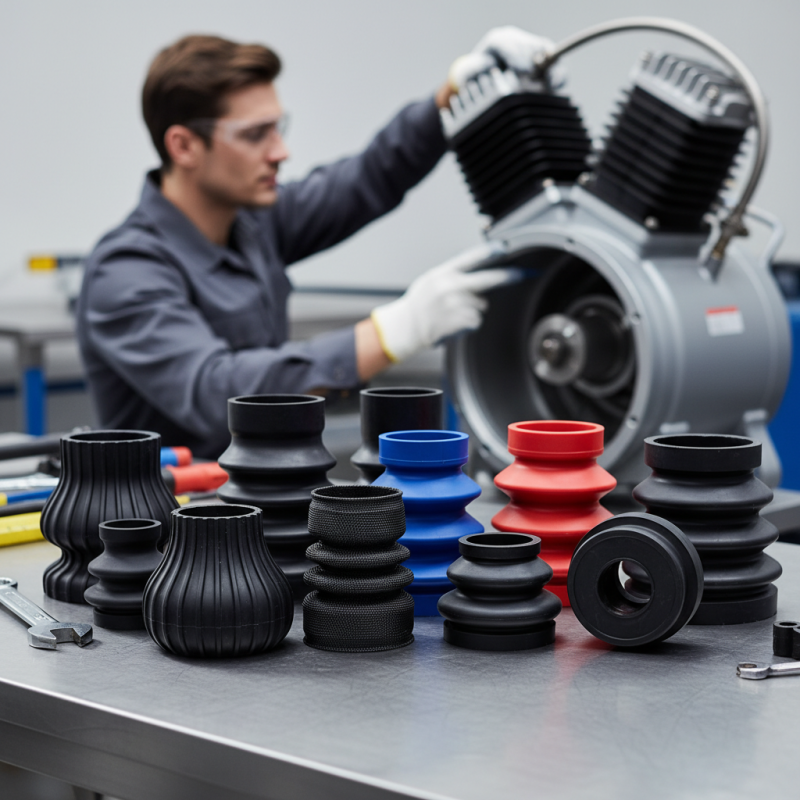
When selecting a compressor boot, understanding its types and functions is essential. Compressor boots serve as protective gear for your equipment. They help in managing airflow and preventing contaminants from entering. The right boot can significantly enhance your operational efficiency.
There are various types of compressor boots available. Some are designed for high-temperature environments, while others suit cooler conditions. Different materials impact durability and flexibility. It's crucial to consider your specific application when choosing. Sometimes, a boot that looks good may not perform well in your situation. This mismatch can lead to inefficiencies.
Pay attention to the size and fit of the compressor boot. An ill-fitting boot can lead to leaks and reduced performance. With improper installation, even the best products can underperform. Understanding these aspects will guide you in making a more informed decision. Remember, practicality should always trump design in these scenarios.
When selecting a compressor boot, it is crucial to assess your specific needs. Different applications demand different specifications. For instance, a study by the Compressors Association notes that 70% of users require boots that can withstand high temperatures. This data highlights the importance of understanding your environment.
Additionally, durability is a key factor. According to a report by the Industrial Safety Institute, 55% of equipment failures stem from inadequate protective gear. Knowing the operating conditions can prevent costly downtime. It is essential to consider factors like maximum load capacity and wear resistance.
However, some users may overlook the need for proper ventilation in their choice. Ensuring a balance between strength and breathability is crucial. A boot that is too rigid might cause discomfort and lead to reduced productivity. Regular assessment of the working conditions can help refine your selection process and lead to better outcomes. Reflecting on past purchases can also offer valuable insights for future decisions.
When selecting a compressor boot, several key features warrant careful consideration. The material is fundamental. Stronger materials enhance durability. Look for options with high abrasion resistance. A study published in the Journal of Industrial Safety recommends materials like high-density polyethylene for better longevity and safety in demanding environments.
Fit also plays a crucial role. An ideal boot should not just fit snugly but also allow for flexibility. Boots that are too tight can lead to discomfort and reduced efficiency, while those that are too loose may compromise safety. In fact, industry surveys indicate that nearly 40% of workers experience foot fatigue due to improper fit.
Consider the boot's insulation and moisture-wicking capabilities. Proper insulation protects against temperature extremes. Moisture-wicking materials keep feet dry, reducing the risk of fungal infections. Research by the American Podiatric Medical Association highlights that workers who wear well-insulated, moisture-wicking boots report a 30% decrease in foot-related complaints. When evaluating options, balance features against budget constraints. Sometimes, cheaper choices may not provide necessary protection.
Choosing the right compressor boot hinges on material durability and performance. Different materials offer various strengths. For instance, rubber is often flexible and resistant to wear. However, it can degrade under extreme temperatures. Conversely, thermoplastic polyurethane (TPU) provides excellent abrasion resistance. This material maintains performance in challenging environments, but it may be less flexible.
Considering the performance under pressure is crucial. Compression boots should withstand significant force without losing integrity. Materials such as neoprene offer good insulation but can wear down faster than others. Understanding the materials can lead to better choices for your specific needs. Sometimes, a combination of materials is the best option.
Reflecting on personal experience can guide your decision-making. Some users find that a particular material didn’t hold up as expected. Observing how materials interact with specific environments is important. Take the time to analyze your needs. This careful assessment can lead to a more reliable choice in compressor boots.
Proper maintenance of compressor boots is crucial for ensuring efficiency and longevity. Regular cleaning prevents dirt and debris buildup, which can hinder performance. According to industry studies, clean boots can improve system efficiency by up to 20%. It is essential to inspect for wear and tear regularly. A worn boot may not seal properly, leading to energy loss.
Tips for maintaining compressor boots include checking seals for cracks or damage. Small issues can escalate quickly. Lubrication of fittings is also vital. Without adequate lubrication, components can wear out faster. An annual professional inspection is recommended to catch potential problems early.
Keep in mind, how you store your boots matters too. Avoid exposing them to extreme temperatures or direct sunlight. Improper storage can lead to deteriorated materials and unforeseen costs. By putting in a little effort, you can greatly extend the life of your compressor boots.
: Compressor boots protect equipment and manage airflow. They prevent contaminants from entering the system.
Consider your specific application and environmental conditions. Durability and fit are essential for optimal performance.
Common materials include rubber, TPU, and neoprene. Each has unique strengths and weaknesses affecting durability.
An ill-fitting boot can cause leaks and poor performance. Proper installation enhances efficiency and effectiveness.
Many users need boots for high temperatures. Understanding your environment is critical for selecting the right type.
Assess past purchases and working conditions. These reflections can guide your future decisions and improve outcomes.
Yes, overly rigid boots can cause discomfort. Balance between strength and breathability is important for productivity.
Consider load capacity and wear resistance. Understanding material properties can lead to a more reliable option.
Users often overlook the need for proper ventilation. Adequate airflow is crucial for maintaining performance.
Boots must withstand significant force without losing integrity. Choosing the right material enhances performance in pressure situations.
When selecting the best compressor boot for your needs, it's essential to understand the different types and functions available. Compressor boots serve the critical role of protecting the compressor components from dust, debris, and environmental factors. Assessing your specific requirements based on the application is crucial, as this will guide you in choosing a boot that offers the right fit and protection.
Furthermore, consider key features such as insulation, flexibility, and ease of installation when evaluating your options. Material durability and performance play significant roles in the longevity of your compressor boot, so comparing these aspects is vital. Lastly, proper maintenance and care are important to extend the life of your compressor boot, ensuring it continues to function effectively over time. By following these guidelines, you can make an informed decision that best suits your needs.

KONBEST