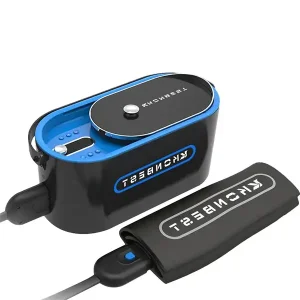
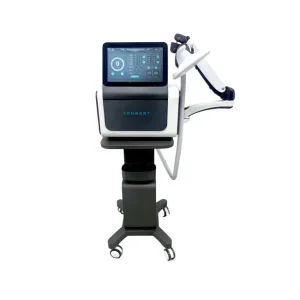
Post-surgical immobilization is one of the leading risk factors for Deep Vein Thrombosis (DVT) and life-threatening Pulmonary Embolisms (PE). According to global health statistics, up to 600,000 cases of DVT occur annually in the US alone. Circulation boots, technically known as Intermittent Pneumatic Compression (IPC) devices, have emerged as the "Gold Standard" in mechanical prophylaxis.
For manufacturers and factories, the goal is no longer just "pumping air." It is about delivering precision-graded pressure that mimics the natural skeletal muscle pump of the calf, effectively increasing venous blood flow by up to 200% compared to baseline rest.
The global market for compression therapy is projected to reach $4.8 Billion by 2028. Key growth drivers include an aging population, rising orthopedic surgeries (hips/knees), and a significant shift from clinical-based recovery to "Home-Care Medical Grade" solutions.
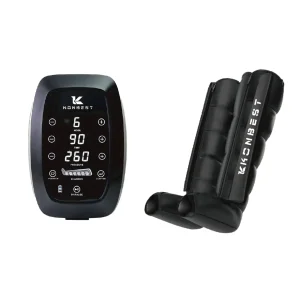
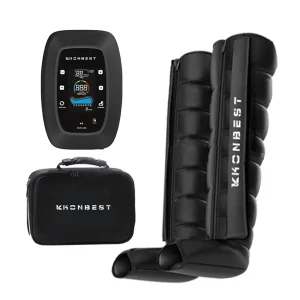
Modern factories are integrating multi-chamber designs (4, 6, or 8 chambers). Unlike basic massagers, these provide distal-to-proximal sequencing, ensuring blood is pushed toward the heart without reflux.
The 2026 product line focuses on high-capacity lithium-ion technology. Patients are no longer tethered to hospital beds, enabling early mobility which is critical for lymphatic drainage.
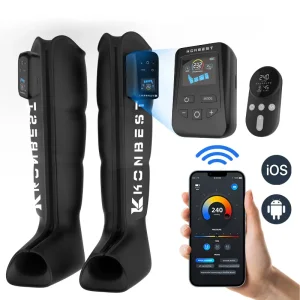
Future iterations include Bluetooth connectivity to allow surgeons to monitor compliance remotely. Data-driven recovery ensures that patients are using the boots for the prescribed 18-20 hours per day.
Tianjin Konbest Technology Co., Ltd. (with its production base in Guangzhou) has stood at the forefront of the rehabilitation industry since 2009.
Equipped with advanced technology and comprehensive testing facilities, the company boasts ten senior engineers with over five years of experience in the rehabilitation equipment field. It holds multiple patents for inventions and design.
ISO9001, ISO13485 quality management system certifications for medical devices, as well as BSCI international certification. Products passed EU CE, ROHS, REACH, US FCC, and FDA.
From concept development to mass production, KONBEST provides comprehensive one-stop manufacturing. We offer flexible MOQ and full lifecycle support for global brands.
Used immediately post-op in the PACU (Post-Anesthesia Care Unit). Our devices integrate with hospital power systems and provide high-decibel alarms for pressure deviations.
Designed for ease of use. Large LCD screens and one-button operation allow elderly patients to continue DVT prophylaxis safely at home after discharge.
Beyond surgery, IPC technology is widely used by professional athletes to clear metabolic waste (lactic acid) and reduce muscle soreness (DOMS).
Medical guidelines typically recommend 18 to 20 hours per day while the patient is non-ambulatory. Usage should continue until the patient is fully mobile, which usually takes 2 to 6 weeks depending on the surgery type (e.g., Hip Replacement vs. Knee Arthroscopy).
Sequential compression uses multiple chambers that inflate one after another from the ankle up to the thigh, creating a "milking" effect. Uniform compression inflates the whole sleeve at once. Sequential is clinically proven to be more effective for DVT prevention.
Yes. As a leading factory, KONBEST offers full OEM/ODM services including custom pressure settings, branded LCD interfaces, and specific sleeve dimensions to meet regional medical regulations.
Absolutely. Our facility is ISO 13485 certified, and our compression systems meet the stringent requirements for medical device safety and efficacy required by European and North American authorities.
 KONBEST