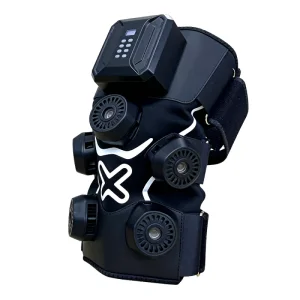
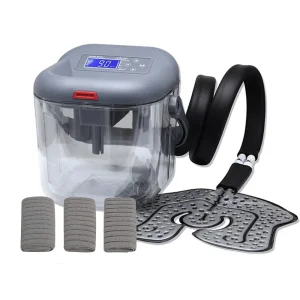
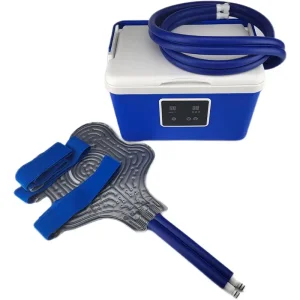
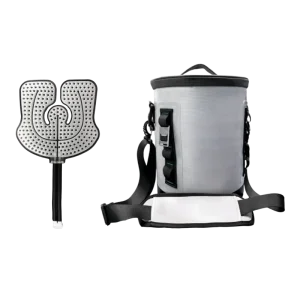
The Serbian healthcare landscape is currently undergoing a significant technological shift. As the nation integrates more closely with European Union medical standards, the demand for high-performance Cold Therapy Systems in Belgrade, Novi Sad, and Niš has reached an all-time high. Serbia’s robust sporting culture—home to world-class athletes in tennis, basketball, and football—serves as a primary catalyst for the adoption of professional-grade recovery equipment.
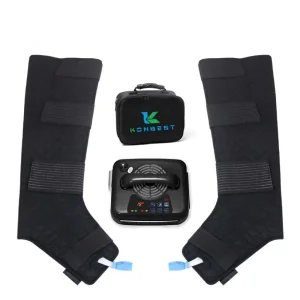
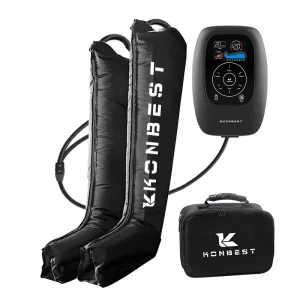
In Serbia, the medical device market is characterized by a mix of public hospital upgrades and a rapidly expanding private clinical sector. Institutions such as the Clinical Centre of Serbia (KCS) and numerous private orthopedic clinics in the Vračar district are increasingly moving away from passive "ice and elevation" methods toward active Intermittent Pneumatic Compression (IPC) combined with precision-controlled cryotherapy. This shift is driven by the need to reduce patient recovery times post-surgery and to manage chronic pain without heavy reliance on pharmaceuticals.
Direct supply chains to Serbian private clinics focusing on ligament reconstruction and joint replacement therapies.
Collaboration with Serbian sports federations to provide mobile recovery units for elite athlete training camps.
All units comply with ALIMS (Medicines and Medical Devices Agency of Serbia) requirements and CE MDR standards.
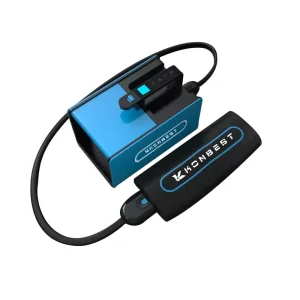
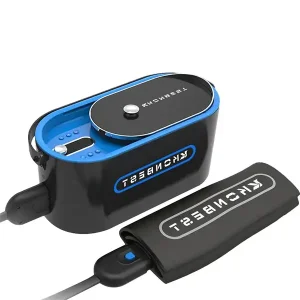
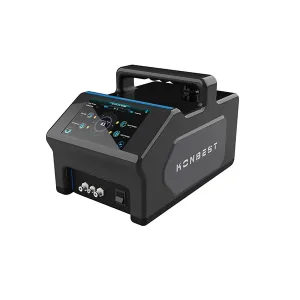
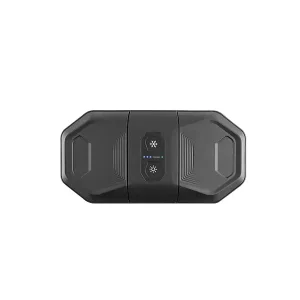
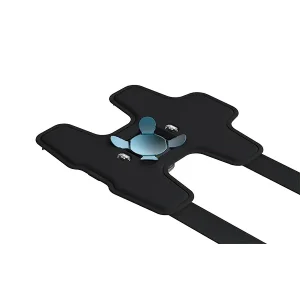
International procurement managers sourcing for the Balkan market now prioritize "Information Gain"—seeking manufacturers who offer more than just hardware. They require Information Increments such as clinical data, ROI analysis for clinics, and comprehensive technical documentation. Manufacturers like Konbest are leading this charge by providing semiconductor-cooled systems that eliminate the need for ice—a major logistical advantage for Serbian clinics located in dense urban environments.
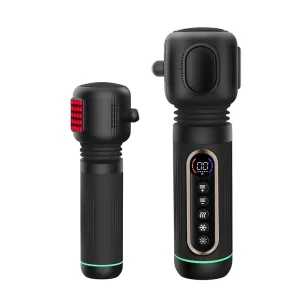
With a production base in Guangzhou, China, founded in 2009, Konbest specialized in the R&D, production, and sales of therapy massage and sports recovery products. Our yearly turnout reaches 300,000pcs, supporting global markets with high-intensity vibration and cryo-compression technologies. We hold certifications including ISO9001, ISO13485, CE, ROHS, and FDA, ensuring every device shipped to Serbia meets the highest safety thresholds.
The future of Cold Therapy Manufacturers lies in the intersection of IoT and therapeutic recovery. For the Serbian market, we are developing localized solutions that include:
By 2026, we aim to integrate AI-driven algorithms that predict recovery trajectories, providing Serbian clinicians with predictive analytics for post-ACL surgery rehabilitation.
We provide one-stop manufacturing services—from the initial concept for a Serbian brand to full logistics support in Belgrade.
All medical equipment imported into Serbia must typically be registered with the Medicines and Medical Devices Agency of Serbia (ALIMS). Our products come with full CE certification (MDR compliant), which significantly streamlines the local registration process.
In a clinical setting in Belgrade, managing ice supply can be labor-intensive. Semiconductor systems (like our CL801Pro) offer precise temperature control without the need for water/ice refills, providing a cleaner, more consistent therapeutic experience.
Yes, through our ODM service, we can customize software interfaces, user manuals, and packaging into the Serbian language (Cyrillic or Latin) to enhance user compliance and brand presence.
For bulk orders, production typically takes 25-30 days. Shipping to the Balkan region can vary between 35-45 days by sea or 7-10 days by air for urgent medical supplies.
 KONBEST