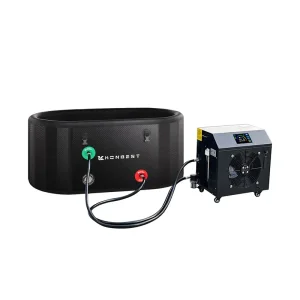
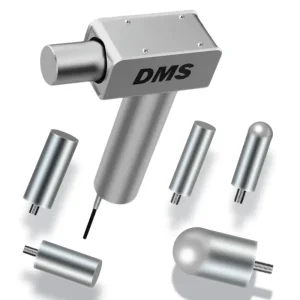
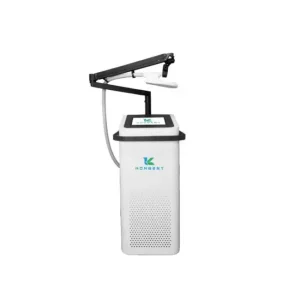
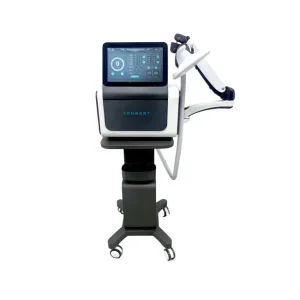
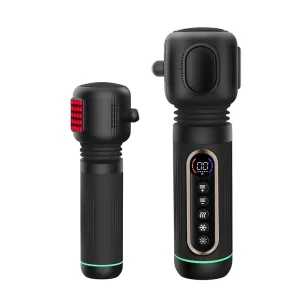
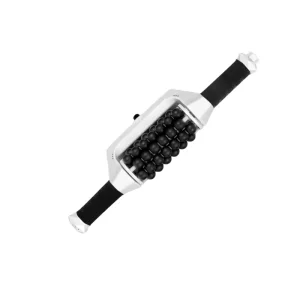
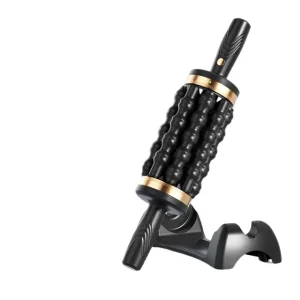
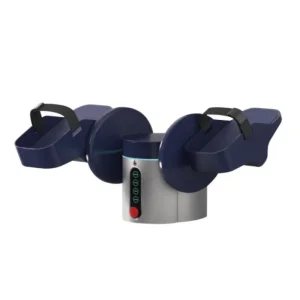
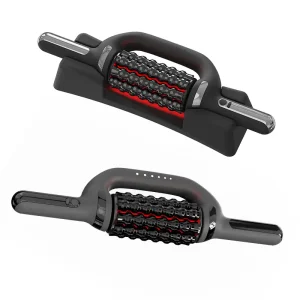
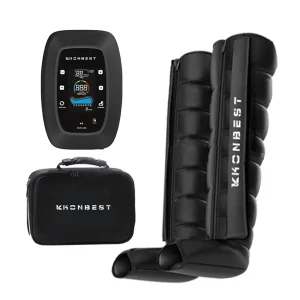
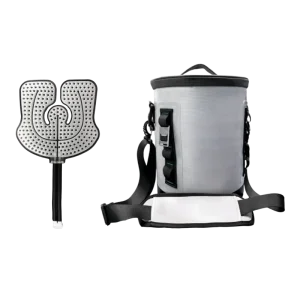
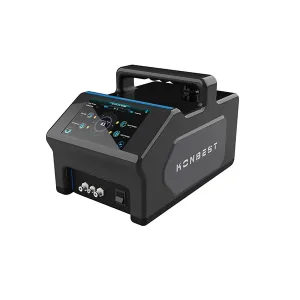
Ireland has emerged as a sophisticated hub for medical technology and sports excellence. From the high-performance training centers of Irish Rugby and GAA (Gaelic Athletic Association) to the burgeoning health-tech startup ecosystems in Dublin and Galway, the demand for "Other Recovery Equipment" has transitioned from luxury to necessity. As a leading manufacturer serving the Irish market, we understand the specific nuances of this region—combining EU regulatory compliance (MDR) with the high durability required for intense athletic environments.
The commercial landscape for recovery equipment in Ireland is currently witnessing a 15% year-on-year growth. This is driven by three primary sectors:
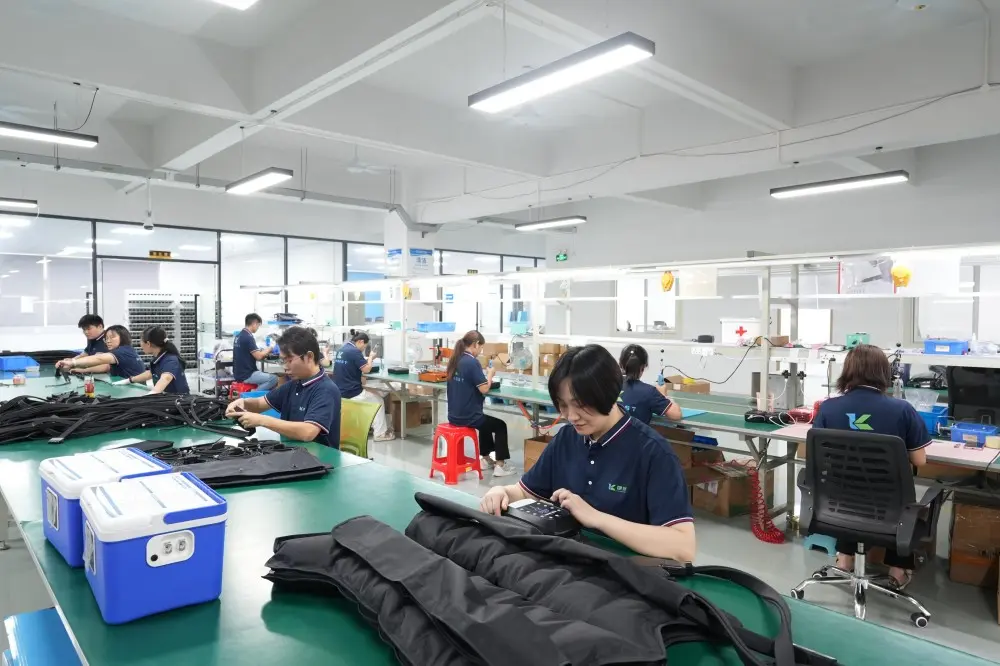
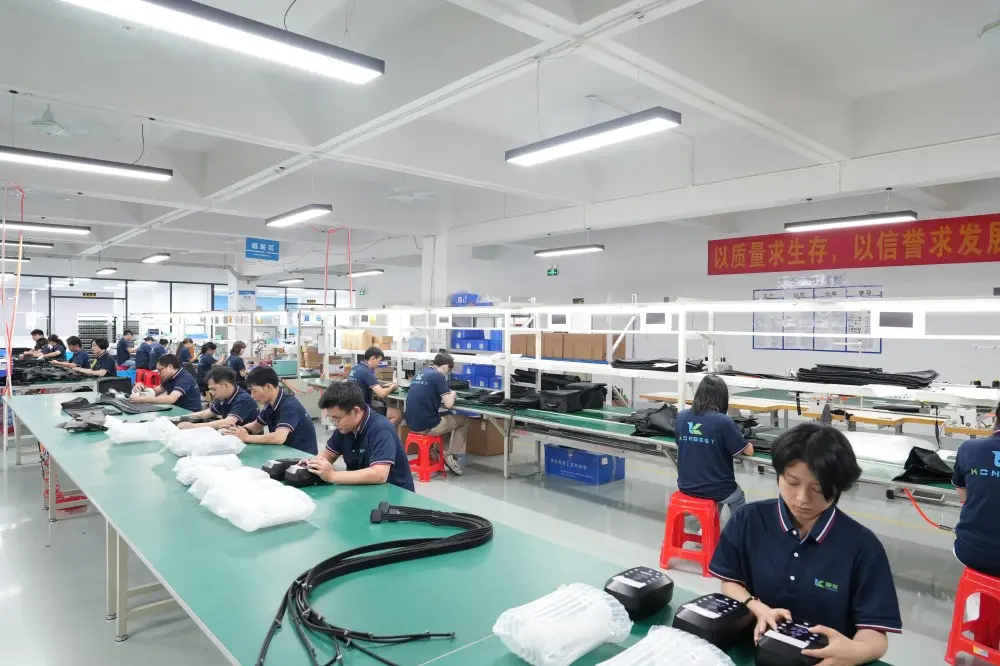
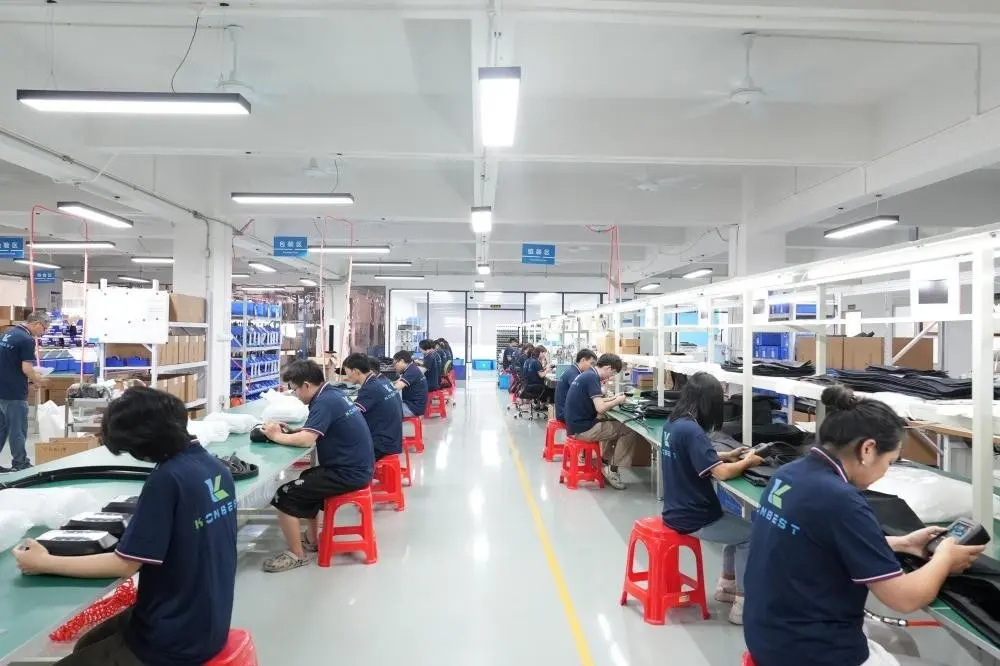
Factory square meters
Skilled Workers
Years Experience
Monthly Capacity
Future recovery boots and massage guns will utilize bio-feedback sensors to adjust pressure and frequency in real-time based on muscle fatigue levels.
Moving away from simple ice, systems will offer precision temperature oscillation between 3°C and 45°C to maximize vasodilation and vasoconstriction.
Cloud-connected recovery devices that sync with wearable data (Apple Watch, Whoop, Garmin) to recommend specific recovery protocols.
The Irish market demands eco-friendly materials. Our roadmap includes recycled TPU for air chambers and biodegradable housing components.
For our Irish partners, we provide One-Stop OEM/ODM Solutions. Whether you are a brand in Belfast or a distributor in Dublin, our workflow ensures your products meet the highest European standards. We are certified under ISO 9001, ISO 13485 (Medical Devices), and BSCI. Our products carry CE, ROHS, REACH, FCC, and FDA certifications, ensuring seamless entry into the Irish and broader EU market.

We don't just sell equipment; we provide integrated recovery ecosystems. Our macro-solutions for the Irish market include:
High-throughput compression stations and portable cryotherapy units designed for travel to away games across Europe.
Medical-grade cold compression systems that reduce hospital stay duration and improve patient outcomes in orthopedic wards.
 KONBEST